Tenebris: Terra Incognita Solaris Starship Base
The crashed ship is your only safe harbor—manage bays, crew, and recruits like the campaign depends on it.
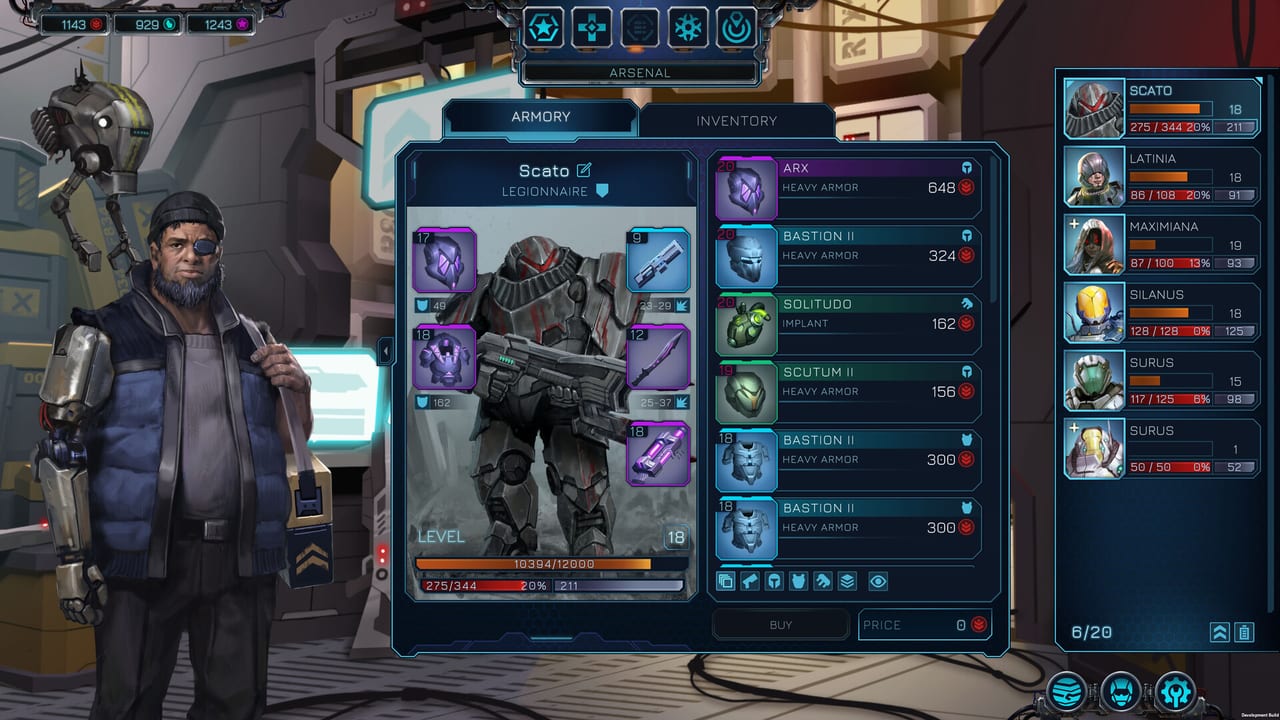
The starship Solaris is home base, shop, barracks, and triage center for Tenebris: Terra Incognita. Everything you loot in the Misty Wastes, Pyrite caves, or Great Glacier eventually funnels back into these corridors. Version 1.0 still lives or dies on whether you treat the ship as a strategic layer equal to combat. This guide explains the major facilities, hiring from cryo-sleep, upgrade thinking, and the crew NPCs who hand out tasks worth completing.
New players should skim Getting Started first. Spend ship resources more wisely after reading Combat Tactics so you know which weapons and armor actually change fights.
Why the ship matters
Solaris is the only relatively safe place on the planet. Between missions you:
- Send wounded heroes to the hospital
- Store and convert loot in the warehouse
- Purchase weapons, armor, and special equipment
- Awaken recruits from cryo-sleep to deepen the roster
- Invest resources into bay upgrades that expand expedition capacity
- Complete crew NPC tasks for extra resources and technologies
Supplies are scarce by design. Buying every shiny rifle while ignoring heal throughput creates a slow-motion failure state: you win a mission and still cannot field a healthy squad for the next icon. Think like an XCOM base commander with Darkest Dungeon roster stress—except here the “hamlet” is a broken hull on an alien world.
Hospital: tempo is a resource
Injuries and fatigue are campaign tempo. If four favorites rotate endlessly, the ward fills and your map pace dies. Practical hospital habits:
- Maintain a bench of six to eight usable heroes as soon as cryo and story unlocks allow.
- Pull heroes early when a mission’s recommended level is trivial—save the A-team for bosses.
- Upgrade hospital-related bays when wait times start dictating your mission choices.
- Never enter a boss icon with a “maybe fine” tank. See Bosses for prep standards.
Medicus heroes and later support kits reduce how often someone visits the ward, but they do not replace capacity upgrades forever.
Warehouse and gear economy
The warehouse is where mission spoils become loadouts. Weapons and armor do more than raise numbers—they can modify talents or grant abilities, which is the heart of buildcraft across 23 heroes. Early priorities:
- Reliable plating and mitigation for Defencor
- A clean primary weapon for your main damage dealer (Miles or Pellentes)
- Tools that enable armor break, cleanses, or biome answers (flamethrowers before Pyrite dives)
- Special equipment that unlocks synergies you already invested talents into
Hoarding forever is a trap; so is impulse-buying duplicates. Keep a boss reserve of ammo-centric gear. When Marauder, Scout, or Hacker professions start paying out higher-quality finds, the warehouse becomes the place you decide which experimental item deserves a talent respec.
Hiring from cryo-sleep
Cryo recruiting expands the expedition beyond the tutorial survivors. Awaken new fighters when:
- You lack a profession coverage (no Strongman for rubble maps, no Hacker for lock-heavy routes)
- Injuries have created a single-point-of-failure roster
- You want to trial an advanced career path without risking your only promoted carry
Quality of available recruits improves as ship systems and story progress unlock. Do not awaken six mediocre copies of the same archetype if you still lack a healer. Balance beats a museum of Miles clones. For archetype roles and later promotions near levels 11 and 21, cross-check the Players Hub and Tier List Hub.
Reanimator profession value (Medicus line) also feeds the roster by rescuing certain fighters during raids—pair field professions with ship hiring so growth comes from both layers.
Bay upgrades: what to prioritize
Bay upgrades spend the same scarce pool as gear. A simple early-to-mid order that rarely fails:
- Healing / recovery capacity — keeps the mission loop alive
- Storage / logistics — prevents throwing away valuable finds
- Recruitment quality or related systems — raises the floor of new heroes
- Specialized tech unlocked by crew quests — often efficiency multipliers
- Luxury combat experiments — after the above are stable
Revisit priorities when a new biome opens. Great Glacier and late 1.0 content assume you did not ignore the ship for twenty hours. If world bosses are on the horizon, upgrades that support long campaigns matter as much as a single legendary gun.
Crew NPCs and their tasks
Beyond the player’s tactical command, key crew members drive the narrative escape plan and side progression:
- Expedition commander — strategic direction and primary story pressure; expect missions that advance the “get off this planet” goal.
- Head of security — partners on defense and threat response; security tasks often push you toward clearing hostile zones near the ship.
- Chief doctor — medical quests and technologies that improve how the hospital and field medicine function.
- Leading engineer — ship systems, bay tech, and repairs that unlock new capabilities.
- Warehouse manager — logistics quests, inventory efficiencies, and resource conversions.
Each NPC offers unique tasks. Completing them yields additional resources and technologies that raise survival odds. Treat these like optional-but-valuable operations: if a crew task overlaps a biome you already planned to farm, chain them. If it demands an underleveled dive, wait—dead heroes do not deliver packages.
Daily-ish ship loop
A healthy between-mission routine:
- Triage hospital assignments.
- Deposit loot; craft or buy only what the next two missions need.
- Check crew task timers and map icons.
- Awaken a recruit only if a hole exists.
- Spend leftover currency on the highest-priority bay still locked.
- Form the squad with professions matching the chosen nodes (Biomes & Map).
Common Solaris mistakes
- Upgrading cosmetics of power (extra guns) while the ward is a bottleneck
- Ignoring crew quests for hours, then hitting a gear wall
- Hiring duplicates instead of missing roles
- Entering Pyrite or boss content with an empty special-weapon shelf
- Forgetting that single-player campaigns still punish poor logistics—there is no multiplayer partner to bail you out, and no redeem codes to shortcut scarcity
Tie-ins
When the ship is stable, push content with Combat Tactics and schedule elites via Bosses. Return to Solaris after every failed operation with a written shopping list. The planet is endless darkness; the hull is finite light. Keep the lights on.
Frequently Asked Questions
Quick answers to the most common questions.
What can I do on the Solaris starship?
Heal heroes, manage the warehouse, buy gear, awaken cryo recruits, upgrade bays, and complete crew NPC tasks for resources and tech.
Which bay upgrades should I buy first?
Prioritize hospital recovery and logistics storage, then recruitment quality and crew-unlocked tech before luxury weapon experiments.
Who are the important crew NPCs?
The expedition commander, security chief, chief doctor, leading engineer, and warehouse manager each give tasks that reward resources and technologies.
When should I awaken new cryo recruits?
When you need profession coverage, roster depth for injuries, or a safe hero to test a new career promotion path.
How does base management connect to combat?
Ship upgrades and gear purchases enable the tactics in Combat Tactics and the prep checklists in Bosses.